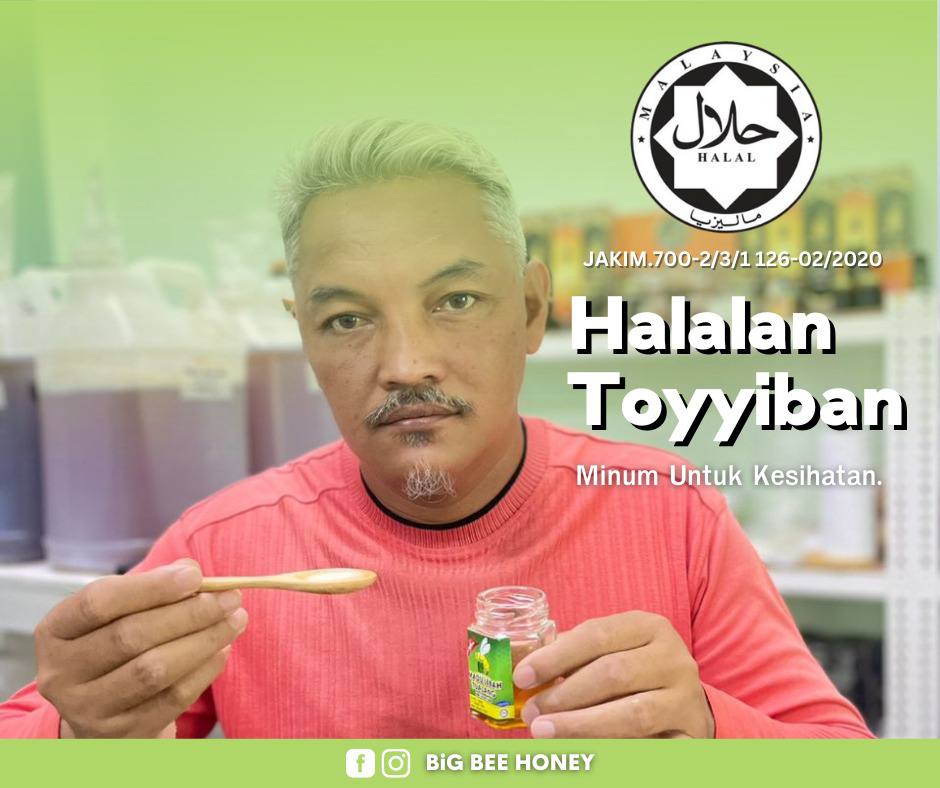
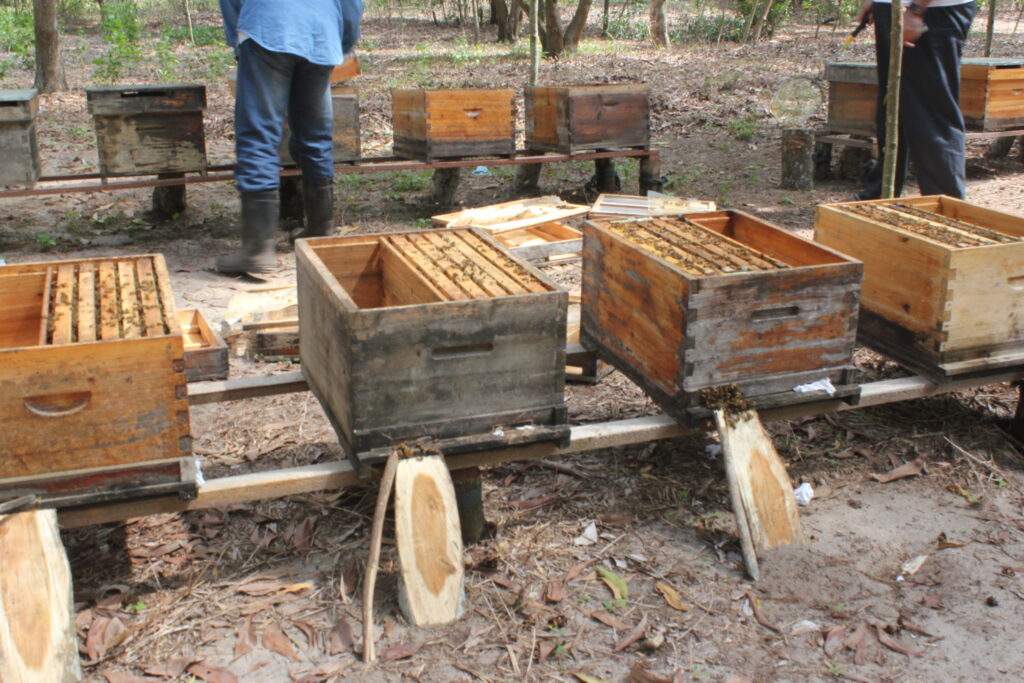
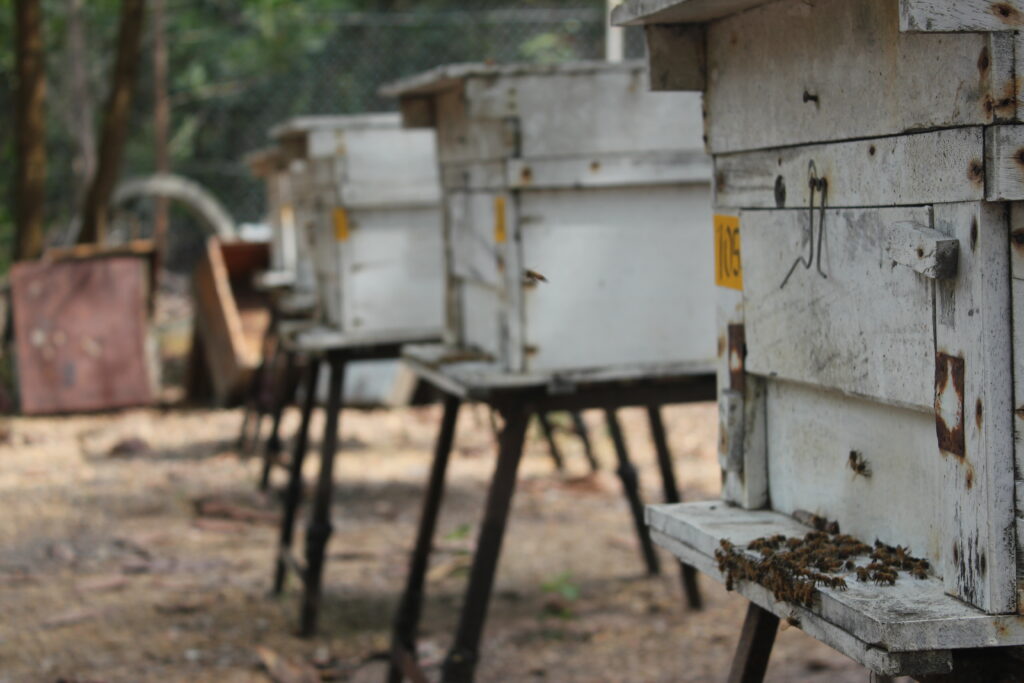
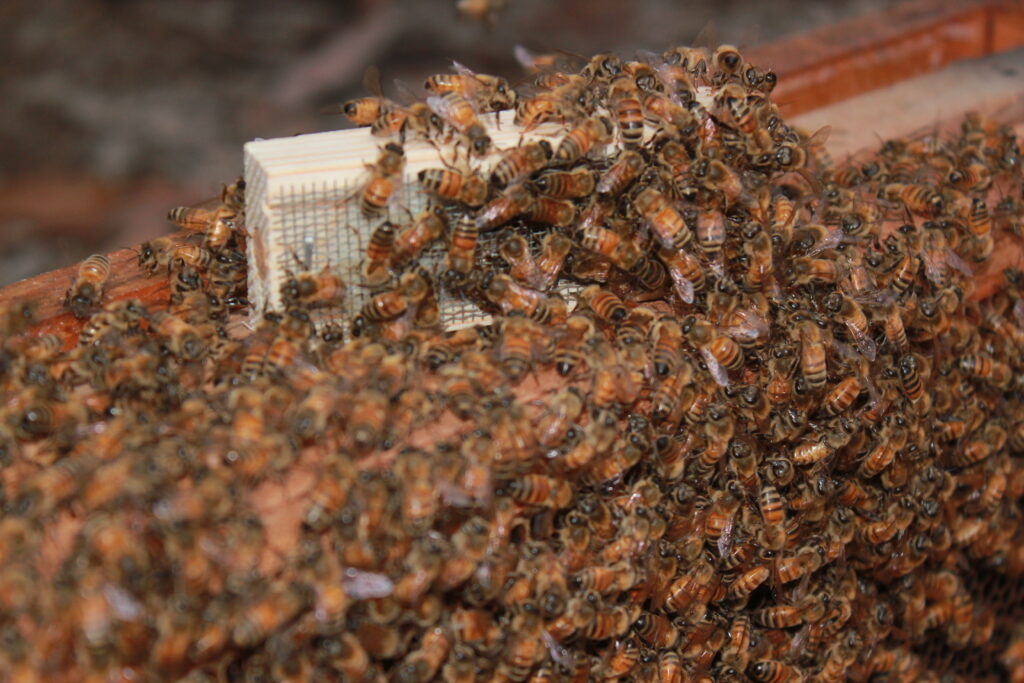
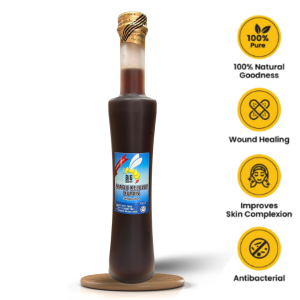
Big Bee Honey is officially certified HALAL by JAKIM, ensuring every process—from BEEKEEPING to BOTTLING—meets strict Halal standards in CLEANLINESS, HANDLING and PRODUCTION.
This certification reaffirms our commitment to providing PURE, SAFE and TRUSTWORTHY honey for all consumers, in accordance with Islamic requirements.
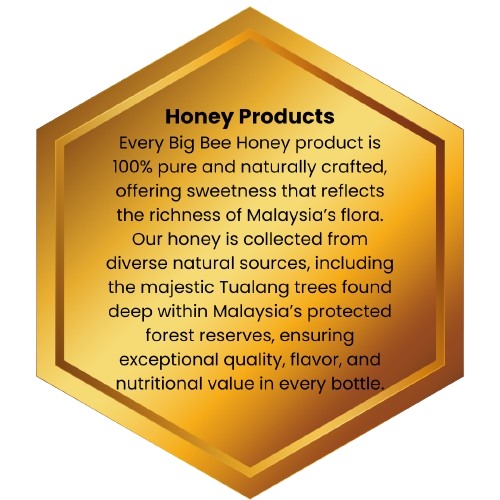
At Big Bee Honey, we take pride in delivering a product that is not only 100% PURE and NATURAL but also Halal-certified for your confidence and peace of mind.
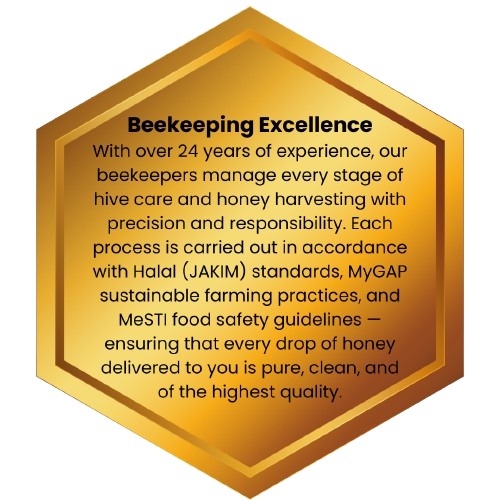
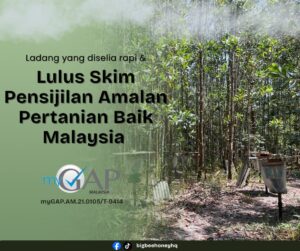
Big Bee Honey is certified under MyGAP (Malaysian Good Agricultural Practice) by the Department of Agriculture Malaysia.
This certification ensures that our beekeeping and production practices are SUSTAINABLE, ENVIRONMENTALLY FRIENDLY and ETHICALLY managed — guaranteeing SAFE and RESPONSIBLE honey production.
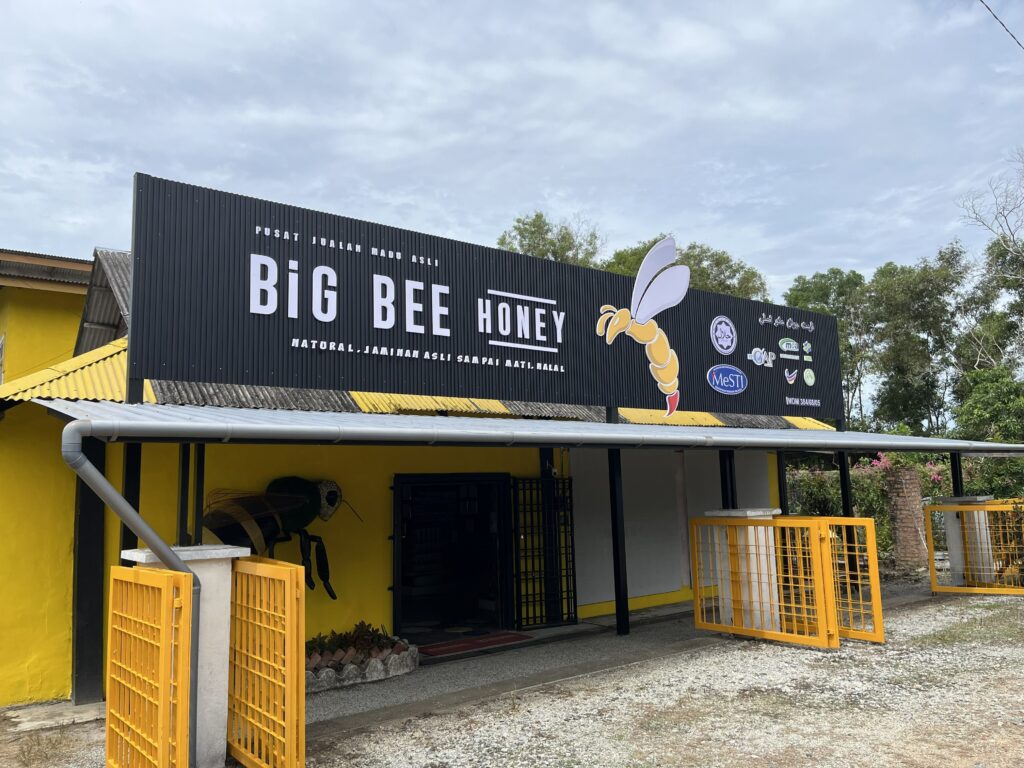
Founded in 2001, Big Bee Honey is a leading producer and supplier of premium-quality pure honey in Malaysia.
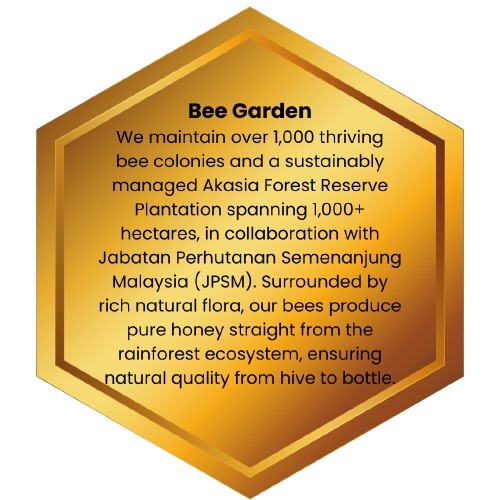
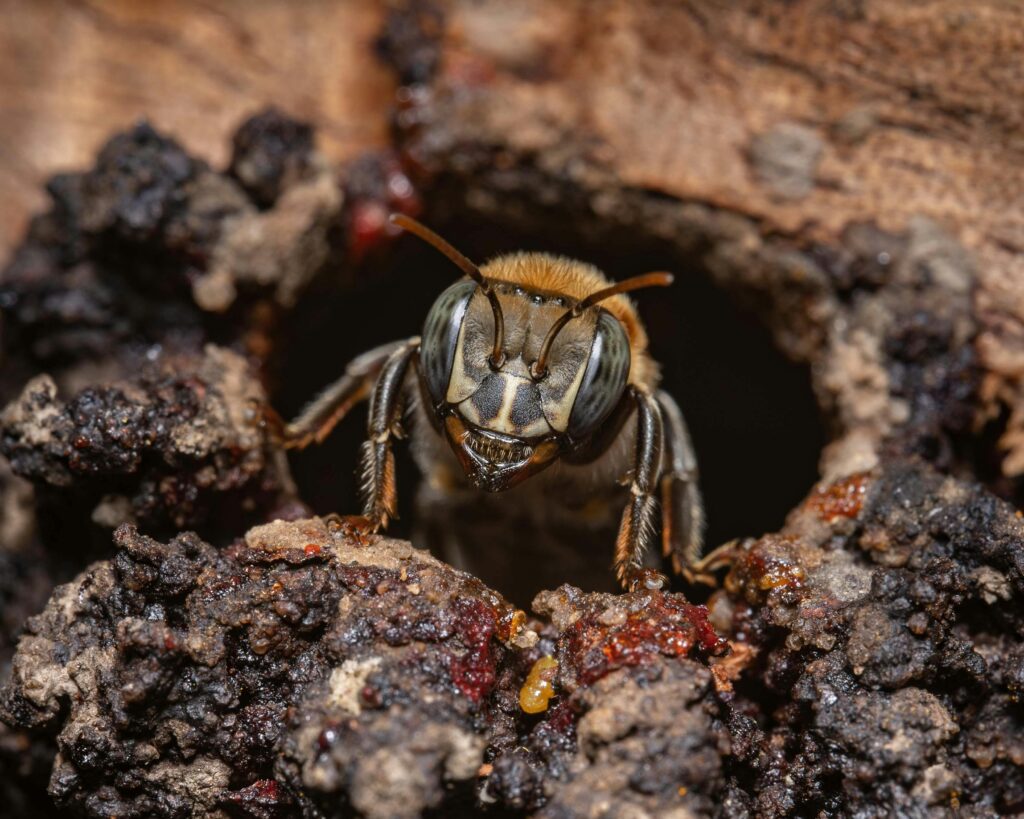
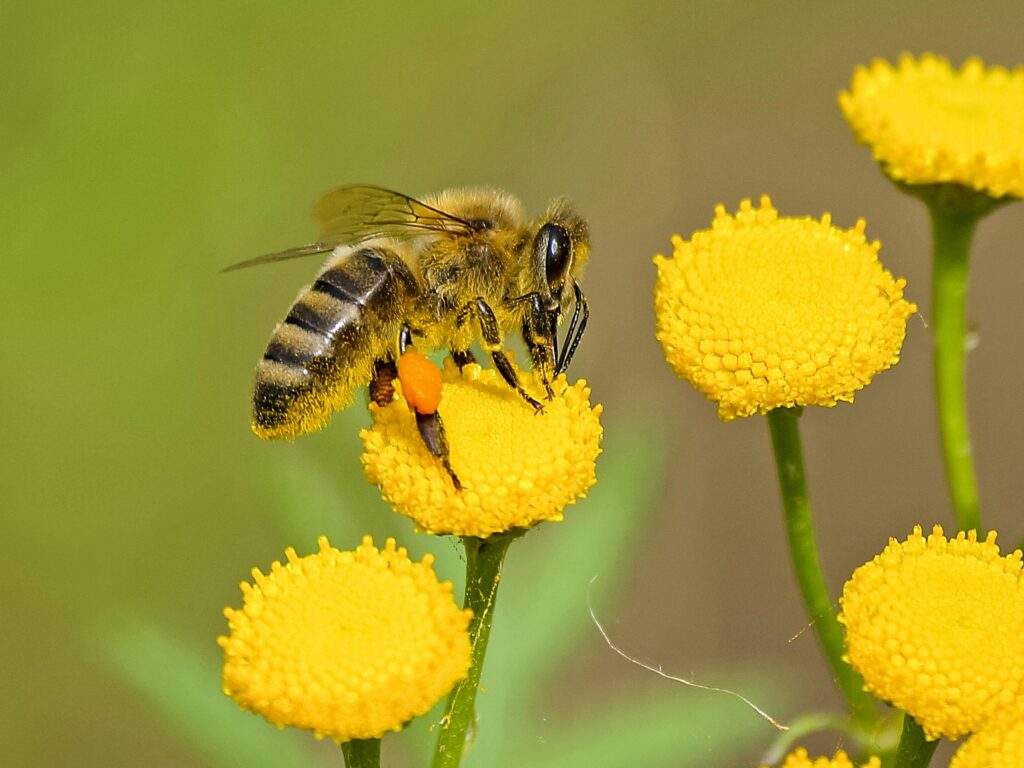
We are dedicated to delivering authentic, natural honey directly from our own bee farms, emphasizing quality, purity and environmental sustainability.
With over 20 years of experience in the beekeeping industry, Big Bee Honey has also grown into an educational and tourism center, offering an enriching experience for visitors of all ages. We believe every drop of honey carries the natural goodness that supports your health and well-being.