
Apis dorsata (Lebah Tualang / Giant Honey Bee)
The Wild Giant Honey Bee of Southeast Asia
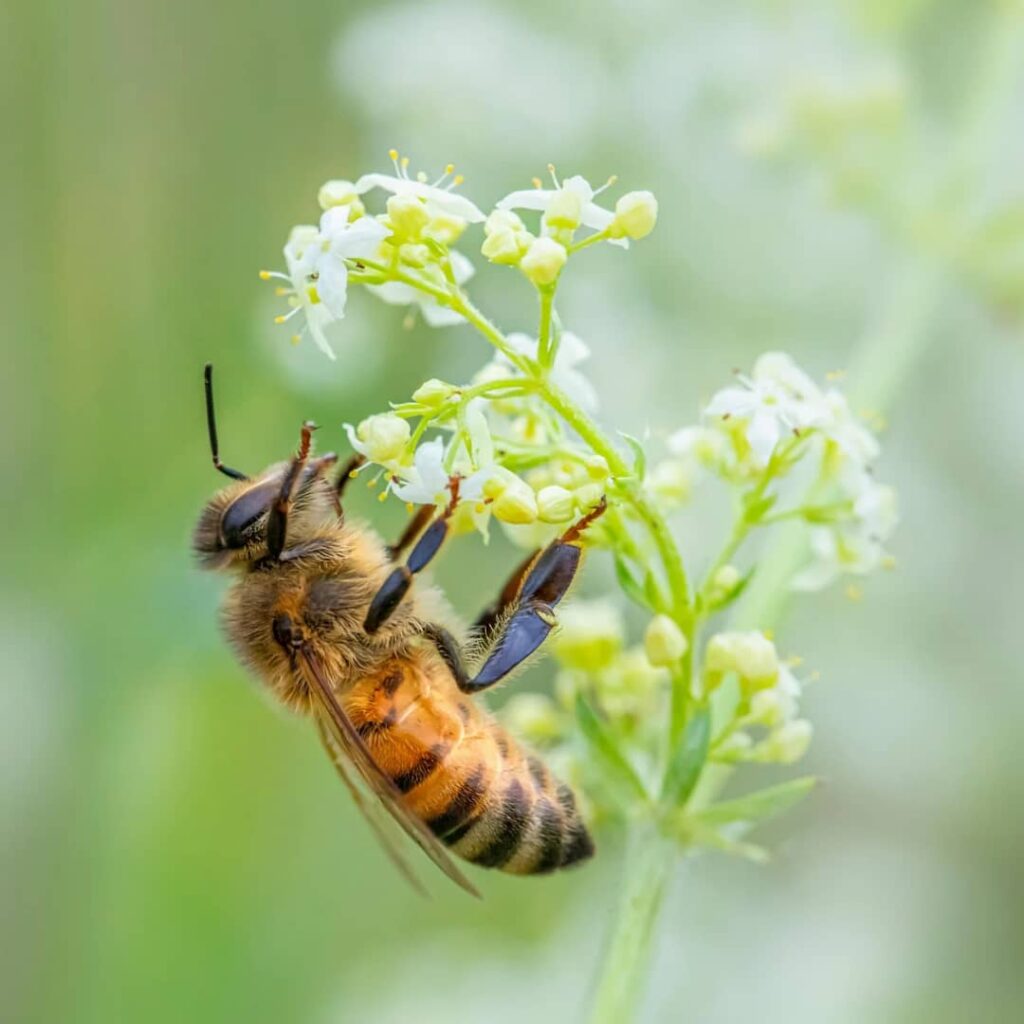
Apis dorsata, commonly known as Lebah Tualang in Malaysia, is a large, wild honey bee species renowned for producing premium-quality honey in natural forest ecosystems. This species is not domesticated and builds its nests high in tall trees, cliffs, or man-made structures near forests
| Feature | Description |
|---|---|
|
Scientific Name |
Apis dorsata |
|
Common Name |
Lebah Tualang / Lebah Hutan |
|
Size |
Larger than typical honey bees (approx. 17–20 mm in length) |
|
Temperament |
Highly defensive and protective |
|
Habitat |
Forest regions, tall trees, cliffs, caves |
|
Nest Structure |
Single large exposed comb, often hanging high from tree branches |
Habitat and Nesting Behavior
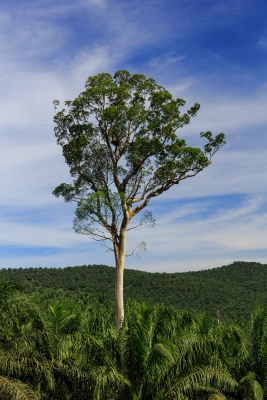
Lebah Tualang usually builds its nests in groups of dozens to hundreds on the trunks or branches of extremely tall trees known locally as Pokok Tualang (Koompassia excelsa).
These nests can measure up to 1.5 meters wide, showcasing incredibly complex and organized hexagonal honeycomb structures.
Because they live in the wild and prefer high, inaccessible places, honey harvesting requires skilled and safe techniques to avoid harming the colonies or the forest ecosystem
Honey Production
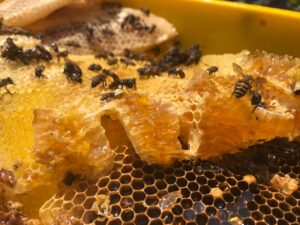
Apis dorsata honey is highly valued due to its:
Natural origin (forest nectar sources)
Deep, aromatic flavor
Rich mineral and enzyme composition
The honey often has:
Darker golden to brownish color
Richer and slightly stronger taste
Higher antioxidant potential due to diverse floral sources in the forest
This honey is commonly known as Madu Tualang in Malaysia and is considered one of the finest wild honeys.
Role in the Environment
Lebah Tualang plays a crucial role in:
Pollination of forest plants
Supporting biodiversity
Maintaining ecosystem sustainability
Their presence is an indicator of a healthy natural environment.
Conservation Importance
Due to deforestation, habitat loss, and over-harvesting, Apis dorsata populations face increasing threats.
Responsible and ethical honey harvesting practices are essential to:
Protect bee colonies
Support long-term forest regeneration
Ensure continued honey availability
Responsible honey producers follow sustainable harvesting methods to prioritize bee survival and forest balance.